Builder’s Risk Insurance West Virginia
OfferMarket Insurance
Compare 40+ carriers for builder's risk insurance in West Virginia
Fast quotes · 100% free · no obligation
Last updated: November 12, 2026
"The first rule in investment is don't lose and the second rule in investment is don't forget the first rule." - Warren Buffett
Builder's risk insurance in West Virginia protects a property, and the materials going into it, while the property is being renovated or built. For an investor rehabbing a house in Charleston, a student rental in Morgantown or a duplex in Huntington, those months carry the most risk in the deal. The house is often empty and the walls are open, and the property may sit in a creek valley that floods fast, on a hillside that can slide, or above old coal workings that can settle without warning.

This guide covers builder's risk insurance for West Virginia investors working on 1 to 4 unit properties: house flips, BRRRR rehabs, value-add work on 2 to 4 unit, and ground-up or infill builds. It explains which policy fits which project, how flood and mine subsidence coverage work in this state, what West Virginia's contractor licensing law requires, why building code enforcement depends on where the property sits, and how to keep a claim from being cut short.
Insurance disclosure: A portion of the insurance inquiries submitted on OfferMarket are quoted, bound and serviced by OfferMarket Insurance LLC (NPN 20545557), which is licensed in West Virginia (license number 3004495223) and in a number of other states. View the full list at offermarket.us/licenses.
Builder's Risk in West Virginia: The Short Answer
Builder's risk is temporary property insurance for a building under construction or renovation. It covers the structure, installed work and materials on site against losses such as fire, wind, theft and vandalism, and it ends when the project ends. It does not cover flood, earth movement or injuries to other people, so West Virginia investors usually pair it with flood insurance, keep the state's mine subsidence coverage in place, and buy it inside a fix and flip policy that includes liability.
If you are new to rehabbing, the one idea to hold onto is that a homeowners policy is designed for an occupied, finished house. A vacant house with open walls, stored materials and a crew on site needs a policy written for that situation.
Key Takeaways
- Builder's risk insures the building and materials, never injuries to others. Most investors get both in a single fix and flip policy that adds vacancy and liability coverage.
- Flood is the defining West Virginia risk, and it is excluded. Every county in the state has been declared a federal flood disaster area at least once since 1967.
- West Virginia law builds mine subsidence coverage into property policies unless you waive it, with limits up to $200,000. Do not sign that waiver casually.
- Landslides and other earth movement are excluded from builder's risk. Steep lots need drainage and retaining wall review before you buy.
- A state contractor license is required for residential work of $5,000 or more, and work of $10,000 or more requires a signed written contract.
- The statewide building code is optional for local governments, so permits and inspections depend on the city or county.
- Surplus lines policies carry a 4.55% premium tax and no guaranty fund backing. Compare quotes on total cost.
- Vacant houses and winter do not mix. Keep the heat on or drain the system, and keep proof.
Which Policy Fits Your Project
The right policy depends on the size of the job, whether anyone lives in the building, and whether you are renovating or building new.

Cosmetic rehab on a vacant house. Paint, flooring and fixture work can fit a vacant dwelling policy that allows renovation, or a fix and flip policy with a vacancy endorsement. Confirm the policy includes wind, theft and vandalism, which some vacant programs limit.
Structural or substantial rehab. Roof replacement, new systems, foundation work or an addition calls for coverage written for construction risk, because the existing house is more exposed while it is open. Describe the scope accurately, since a cosmetic policy on a structural job invites a claim dispute.
Older coalfield or river town house bought as is. Much of the state's inventory is older housing in flood-prone valleys or above mined ground. You need a policy that accepts the existing condition, flood coverage where the location calls for it, and the mine subsidence endorsement left in place.
Rehab with tenants in some units. Renovating one side of a duplex, or a few units of a triplex or fourplex, while other units stay leased is common near WVU and Marshall. Renovation coverage usually stops once about half the units are leased, so plan on a West Virginia landlord policy or a hybrid form.
Ground-up or infill build. A new house or small multifamily on a vacant lot is the classic use for builder's risk, insured on its finished value from the first lumber delivery. Buy general liability alongside it, and confirm floodplain elevation rules before the foundation is poured.
The finished rental. Once the property is rented, builder's risk no longer fits. A landlord policy on a dwelling fire special form (DP-3) is the standard choice, and lenders that accept dwelling fire forms typically require the special form.
| Your project | Coverage that usually fits | What we check first |
|---|---|---|
| Cosmetic rehab on a vacant house | Vacant dwelling policy that permits renovation, or a fix and flip policy | Wind, theft and vandalism included; vacancy terms |
| Structural or substantial rehab | Fix and flip (renovation) policy or builder's risk remodel policy | Existing structure covered; accurate scope; foundation work disclosed |
| Older valley or coalfield house bought as is | Vacant renovation policy plus flood insurance | Flood zone, mine subsidence endorsement, prior damage documented |
| 2 to 4 units with some tenants in place | Renovation coverage that allows partial occupancy, plus landlord coverage and loss of rents | Leasing thresholds that end builder's risk |
| Ground-up or infill build of 1 to 4 units | Builder's risk new construction policy plus general liability | Coverage before materials arrive; floodplain elevation rules |
| Finished, rented property | Landlord policy (DP-3 with liability and loss of rent) | Bound before the tenant moves in |
Who Buys the Policy, and Is It Required?
On an investor rehab, the owner almost always buys builder's risk, and while no West Virginia statute requires it on a private residential project, nearly every financed deal needs it.
Why the owner buys it. Your lender requires a property policy in the borrower's name with the lender listed as mortgagee. A contractor's own policy protects the contractor's interest, not yours.
Why the law does not settle it. No state law mandates builder's risk on a private home renovation. The requirement comes from your loan documents and, often, your construction contract.
Avoid paying twice. Some contractors price builder's risk into their bids. If you are buying the coverage, write that into the contract and ask for the line to come out.
Avoid a gap. If the contractor carries the builder's risk instead, get a copy, confirm it covers the existing building and not just the new work, and confirm you and your lender are named.
Tools are separate. Builder's risk does not cover a contractor's tools, compressors or rented equipment. Those belong on the contractor's equipment (inland marine) policy.
A cash buyer can go without builder's risk, but would be carrying the full value of the building and every dollar of materials personally during the riskiest months of the deal.
Flood: West Virginia's Defining Risk
In West Virginia, flood is not a coastal problem. It is the creek behind the house, the hollow that funnels a summer storm, and the river town that has flooded before and will again.

A State Shaped by Floods
A 1998 USGS analysis found that every West Virginia county had been declared a federal flood disaster area at least once since 1967, some as many as ten times. On June 23, 2016, flash flooding killed at least 23 people. White Sulphur Springs recorded 8.29 inches of rain in 24 hours, and the National Weather Service described totals in parts of Fayette, Nicholas and Greenbrier counties as a thousand-year event. In February 2025, flooding hit the southern coalfields again, leading to a federal major disaster declaration for McDowell, Mercer, Mingo and Wyoming counties (West Virginia Public Broadcasting).
What That Means for Your Coverage
Builder's risk excludes flood. Rising water from a creek, river or flash flood needs a separate flood policy, whether from the National Flood Insurance Program or a private carrier.
Lenders require it in mapped zones. For a property in a FEMA special flood hazard area, our guidelines set the flood limit at the greater of $250,000 or the loan balance.
Buy it at closing. NFIP policies normally carry a 30-day waiting period, but FEMA waives it when the policy is bought in connection with making, increasing, extending or renewing a loan.
Check the risk before you make an offer. The state's free West Virginia Flood Tool, maintained with the WV GIS Technical Center, lets you look up an address and see its flood zone and flood history. Use it on every deal, including ones outside a mapped zone.
Below-grade space floods first. A finished basement in a valley house is the most expensive part of the rehab to redo after water, and only flood insurance responds.
Plan flood for the rental. A rental you hold in a special flood hazard area still needs flood coverage under DSCR loan guidelines. Our comparison of landlord and flood insurance explains how the two work together.
⚡ Get builder's risk, fix and flip and landlord quotes
Mine Subsidence: The Coverage Built Into Every West Virginia Policy
Much of West Virginia sits above abandoned underground coal mines, and when old workings collapse, the ground above can sink and crack foundations. Standard property and builder's risk policies exclude earth movement, so the state created its own answer.

How the Law Works
Under W. Va. Code §33-30-6, every insurance policy issued or renewed that directly insures a structure in West Virginia must include mine subsidence coverage at a separately stated premium unless the insured waives it. The coverage is reinsured by the state Board of Risk and Insurance Management (BRIM).
The limit.
Total insured value reinsured by the board may not exceed $200,000, and it cannot exceed the fire insurance amount on the structure.
The deductible.
It must be at least $250 and no more than $500.
The waiting period.
A new policy or endorsement takes effect on the 30th calendar day after the application date, so add it early.
Request-only counties.
In 15 counties, coverage is provided only if you ask for it:
- Berkeley
- Cabell
- Calhoun
- Hampshire
- Hardy
- Jackson
- Jefferson
- Monroe
- Morgan
- Pendleton
- Pleasants
- Ritchie
- Roane
- Wirt
- Wood
Everywhere else, it is included unless you waive it.
What Changed in 2026
HB 5462 passed on March 14, 2026 and took effect on June 12, 2026. Under the amended law, any recovery a policyholder receives for a covered loss must first be applied to property damage, the fund pays only the part of a loss that other sources do not cover, and a policyholder may not sue the insurer over a claim reported to the board.
How to Use It on a Rehab
Do not waive it by habit. Waiver forms often arrive in the closing stack. On a property over mined ground, the endorsement costs little compared with a foundation failure.
Confirm it is on the right policy. Ask whether the subsidence coverage attaches to your builder's risk or vacant renovation policy, and confirm it carries over to the landlord policy at the exit.
Mind the limit. At $200,000, the coverage may not rebuild a larger home completely, so treat it as a backstop, not full protection.
Ask for it in request-only counties. In counties such as Berkeley, Cabell and Wood, you will not have it unless you request it.
Landslides, Steep Lots and Other Earth Movement
West Virginia's terrain is part of its appeal and part of its risk. Homes cut into hillsides, built on fill or perched above a road can be damaged when saturated slopes move, and builder's risk and fix and flip policies exclude landslide, settling and other earth movement.

Know the difference. Mine subsidence from collapsed coal workings has its own state coverage. A landslide from a saturated slope does not, and neither does settling or cracking from poor fill.
Read the slope before you buy. Leaning retaining walls, cracked steps, tilted fences and wet spots at the base of a hill are warning signs, and damage that exists at closing is pre-existing in any case.
Budget for water management. Gutters, downspout extensions, grading and drains that move water away from the slope are cheaper than a failed wall.
Plan for access. Remote and steep sites make deliveries, emergency response and crew access harder, which affects both the schedule and the fire protection class used to price the policy.
Winter, Ice Storms and the Vacant House
From Snowshoe and Canaan Valley to the river towns, a West Virginia winter turns a vacant house into a freeze risk, and ice storms can bring down lines and limbs for days.

Frozen pipes are the classic vacant-house claim. Many policies cover the resulting water damage only if you kept the heat on or shut off and drained the water system. Keep dated photos of the thermostat, utility bills or a winterization invoice.
Power outages defeat the thermostat. An ice storm that knocks out power for days can freeze a house even with the heat set correctly. On a long vacancy, draining the system is the safer choice.
Snow and ice load the roof. At higher elevations, accumulated snow and ice can overload a roof weakened by an open rehab. Get the roof dried in and sound before the first heavy storm.
Falling trees are a liability question too. A tree from your lot that lands on a neighbor's house or car can bring your general liability into the loss. Remove dead trees near structures early in the project.
Building Codes: A Statewide Code, Applied Locally
West Virginia has one uniform building code, but local governments decide whether to enforce it, so the permit and inspection process depends on where the property sits.

The West Virginia State Building Code combines 11 separate codes and is administered by the State Fire Commission. Local governments are not required to enforce it. As of June 2015, 9 counties and 52 cities and towns had adopted it, and seven of those adopted only the property maintenance code. A community that adopts only the property maintenance code cannot issue building permits.
Three points follow for investors:
Check the jurisdiction first. In a city that enforces the full code, budget for permits, inspections and code upgrades. In an area without enforcement, there may be no inspection at all, which puts the burden of quality on you and your contractor.
Ordinance or law still matters. Where the code is enforced, rebuilding after a loss can require upgrades to undamaged parts of the house. Many policies default to 10% of the building limit for this. On fix and flip quotes, we request 25%.
Floodplain rules apply regardless. Communities that participate in the NFIP have floodplain development rules, so a substantial rehab of a house in a mapped flood zone can trigger elevation requirements even where the building code is not enforced.
Contractor Licensing in West Virginia
West Virginia licenses contractors statewide under the West Virginia Contractor Licensing Act, and several of its rules affect investors directly.

The thresholds. A contractor license is required when the cost of the undertaking is $5,000 or more for residential work or $25,000 or more for commercial work. The Contractor Licensing Board bases the requirement on the entire project, so a subcontractor paid less than the threshold may still need a license.
Written contracts. A licensee may not perform work with an aggregate value of $10,000 or more, including materials and labor, without a written contract describing the work and its cost, signed by both the contractor and the owner.
Permits. Before a building permit is issued, the applicant must show proof of a valid license or file an affidavit stating that no license is required.
The owner exemption, and its limit. Work personally performed on a structure by its owner or occupant is exempt from licensing. The separate exemption for an employer's regular employees applies only to property not intended for speculative sale or lease, so an investor running a flip with a payroll crew should not assume that exemption applies. Confirm your situation with the Contractor Licensing Board.
Penalties. Contracting without a license after receiving a cease and desist order is a misdemeanor, with fines of $200 to $1,000 for a first offense and up to a year in jail for a third.
Classifications and insurance. Classifications include residential, general building, multifamily, electrical, plumbing, HVAC and masonry. Every applicant must pass a business and law exam, and contractors with employees need workers' compensation and unemployment coverage (West Virginia Division of Labor).
Before work begins, confirm your contractor's license number and classification, see it on the contract, and collect certificates of general liability and workers' compensation.
Surplus Lines, Taxes and Carrier Strength in West Virginia
Many West Virginia fix and flip and vacant home policies come from surplus lines carriers, which cover risks the standard market declines, often including a vacant house under renovation.

The tax. West Virginia charges a surplus lines premium tax of 4.55% of gross premiums and fees, collected from the policyholder, and producers may not pay or rebate it. Two quotes with the same base premium can differ meaningfully once the tax is added.
No guaranty fund. If an admitted West Virginia insurer fails, the state guaranty association pays covered claims within limits. Surplus lines policyholders do not have that protection, which is one reason lenders require an AM Best rating of A- VIII or better. Our guide to AM Best ratings explains what the rating means.
What Builder's Risk Costs in West Virginia
There is no flat price for builder's risk. Carriers price it on the completed value of the structure, adjusted for the property's location, construction and the scope of work, and standalone policies carry a minimum premium regardless of project size. The fastest way to an accurate number is a quote on your property, but these are the factors that move it in West Virginia.
| What moves the price | Why it matters in West Virginia | What you can do |
|---|---|---|
| Completed value | The premium is based on rebuild cost, not purchase price | Set the limit on rebuild cost, without land or padding |
| Fire protection class | Rural and mountain properties can sit far from a fire station | Confirm the distance and hydrant access used on the quote |
| Scope of work | Structural work and roof replacement rate higher than cosmetic work | Describe the scope accurately; replace the roof early |
| Vacancy and timeline | Long vacancies and winter shutdowns raise freeze and theft risk | Keep a realistic schedule and a winter plan |
| Carrier type | Surplus lines policies add the 4.55% premium tax | Compare quotes on total cost |
| Added coverages | Mine subsidence, flood and soft costs are separate decisions | Match endorsements to the location and the loan |
The Cost Nobody Prices In: Delay
The premium is rarely the largest cost of a loss. If a burst pipe in January ruins a nearly finished floor, the repair may be covered, but the project can slip by a month or more. Every extra month adds loan interest, property taxes, utilities and insurance. As an example, a $200,000 loan at a 12% rate costs about $2,000 a month in interest alone. Soft cost coverage, an optional endorsement, pays these carrying costs during a covered delay, and it is worth pricing on any flip with a tight margin.
Refunds When the Project Ends Early
If you sell early, or refinance into a DSCR loan and switch to landlord insurance, OfferMarket fix and flip premiums are generally returned pro rata for the unused months. Some new construction policies are fully earned at binding, so confirm the cancellation terms before you sign.
What Factors Influence Builder's Risk Insurance Cost in West Virginia?
Underwriters start from the same five building blocks, and our team adds three more that decide whether a West Virginia investor deal is priced correctly.

1. Location
The address drives more of the price than anything else. Carriers look at:
- Flood zone and distance to a creek or river
- Slope, fill and landslide exposure
- Whether the property sits over mined ground
- Distance to a fire station and the local fire protection class
- Crime and vandalism rates on the block
2. Project Type
- New construction and simple installations usually rate lowest, because no existing building is at risk.
- Remodeling rates highest, because the original house is exposed for the whole project.
- A cosmetic remodel rates lower than structural work that touches the foundation, roof or load-bearing walls.
3. Construction Type
- Brick and masonry, common in older Wheeling, Charleston and Huntington neighborhoods, rate more favorably for fire.
- Wood frame, which describes most rural and suburban homes, rates less favorably.
4. Optional Coverages
- Flood, which is excluded as standard
- Mine subsidence, which is separate from the earth movement exclusion
- Soft costs, for carrying costs during a covered delay
- Loss of rents, for units with tenants
- Materials in transit and off-site storage
- Sewer, drain or sump backup, which matters in valley basements
5. Additional Fees and Taxes
- Admitted carriers hold a West Virginia license and are backed by the state guaranty association.
- Surplus lines carriers write many vacant and renovation policies that admitted carriers decline, add the 4.55% premium tax, and carry no guaranty fund backing.
Three More Factors We Weigh for Investors
Vacancy and timeline. A house that has sat empty for years, or a project expected to run past 12 months, carries more risk and often more premium, especially if it will sit through a winter.
The limit. Padding the limit is the most common way investors overpay, and setting it too low is the most common way they get shorted at claim time. Build it from rebuild cost and leave land out.
The deductible. Raising the deductible trims the premium, but only up to the lender's ceiling. Our guidelines allow no more than the lesser of 5% or $5,000.
How to Lower Your Builder's Risk Cost Without Creating a Gap
- Insure to accurate rebuild cost and keep land out of the limit
- Replace an old roof early and dry the house in before winter
- Choose the highest deductible your lender accepts and your reserves can absorb, within the cap
- Secure the site with locks, lighting and cameras, and store materials in a locked space
- Keep a realistic schedule to avoid extension charges and a long winter vacancy
- Compare quotes line by line, and question any limit or endorsement you did not request
Never save money by waiving mine subsidence coverage over mined ground, skipping flood in a valley, or dropping vacancy, liability or theft protection. Those are the gaps that turn an ordinary West Virginia loss into an uninsured one.
What Our Quality Control Catches on Outside Quotes
Before a West Virginia policy is bound through OfferMarket, our QC team compares it with what the investor requested and what the lender requires. These are the problems that appear most often.
A mine subsidence waiver signed without a conversation. On a property over mined ground, a waived endorsement leaves the most likely foundation loss uninsured.
No mine subsidence in a request-only county. In counties such as Berkeley, Cabell and Wood, coverage is not included unless requested, and many quotes leave it off.
Flood assumed to be covered. An investor reads "all risk" on a builder's risk quote and assumes the creek is covered. It is not.
A dwelling limit the investor did not ask for. Agents sometimes raise the limit to match a carrier estimate, which adds premium for coverage you could never collect, or lower it, which can trigger a coinsurance penalty.
The wrong policy type. A landlord policy quoted on a vacant gut rehab, or a vacant renovation program quoted on a property ready to rent.
A settlement basis that pays less. Functional replacement cost pays to repair with cheaper, functionally similar materials. On a plaster-and-hardwood house in an older river town, that gap is real.
Ordinance or law left at the default. A 10% default may not cover code-required upgrades. Where the local code is enforced, we ask for 25%.
Freeze terms nobody read. A vacant renovation quote whose water damage coverage depends on heat the investor does not plan to keep on.
Liability limits that will not clear underwriting. A rehab needs $1,000,000 per occurrence and $2,000,000 aggregate, and a rental financed with one of our DSCR loans needs at least $500,000 per occurrence. Lower limits stall the closing.
Mortgagee and additional insured confused. The lender needs to be the mortgagee on the property coverage and an additional insured on the liability coverage.
Cases From Our Quality Control Desk
These are representative situations of the kind our team works through on West Virginia files, anonymized and summarized.
The waiver in the closing stack. An investor buying a house in a Kanawha County coal community was about to sign a mine subsidence waiver to save a small premium. Our review flagged that the property sat in an area with historic underground mining. The investor kept the coverage. The lesson: the waiver is easy to sign and expensive to regret.
The creek that was not on the map. A rehab near a small creek sat just outside the mapped flood zone, so the lender did not require flood insurance. We showed the investor the property's history on the state flood tool and priced a private flood policy. The lesson: in West Virginia, the map is the starting point, not the answer.
The January pipe. A vacant Morgantown rehab sat idle over the winter break while the investor waited on a contractor. A supply line froze and split. Because the investor had drained the system and kept the winterization invoice, the claim moved forward without a dispute. The lesson: proof of a winter plan is what gets paid.
The crew without a license. An investor planned to use a low-bid crew for a $40,000 rehab. The contractor had no West Virginia license, which the job required, and no written contract. We flagged both before work began, and the investor switched to a licensed contractor with a signed contract. The lesson: in West Virginia, the license and the contract are part of protecting the project.
⚡ Have our team check your quote
Builder's Risk vs. the Policies It Gets Confused With
Several policies sound alike, but each covers a different part of a West Virginia rehab.
| Policy | What it covers | What it leaves out on a rehab |
|---|---|---|
| Builder's risk | The building, installed work and materials during construction | Flood, earth movement, liability and contractor tools |
| Fix and flip (renovation) policy | Property, builder's risk features, vacancy and general liability together | Usually limits active tenants; still excludes flood |
| Mine subsidence endorsement | Damage from the collapse of underground coal mines, up to $200,000 | Landslides, settling and other earth movement |
| Flood insurance (NFIP or private) | Damage from rising water and flash flooding | Most other perils; basement contents are limited |
| General liability | Injuries to other people and damage to their property | Damage to your own project |
| Contractor's equipment (inland marine) | The contractor's tools and equipment | Your building and materials |
| Landlord policy (DP-3) | The finished rental, liability and loss of rent | An active renovation |
What Your Lender Requires
The property is your lender's collateral, so the lender's insurance guidelines shape the policy as much as your preferences do. This table compares typical requirements during the rehab with those after a refinance into a DSCR loan.
| Requirement | Fix and flip loan (rehab) | DSCR loan (rental) |
|---|---|---|
| Carrier rating | AM Best A- VIII or better | AM Best A- VIII or better |
| Property limit | Replacement cost, or loan amount with agreed value or zero coinsurance | Greater of 80% of replacement cost or loan amount |
| Property deductible | $5,000 | $5,000 |
| Wind and hail | No windstorm, hail or named storm exclusion | Same |
| General liability | $1,000,000 per occurrence / $2,000,000 aggregate | $500,000 per occurrence / $1,000,000 aggregate |
| Loss of rent | Needed if tenants occupy during the term | One year of gross rental income |
| Flood, if in a special flood hazard area | Greater of $250,000 or the loan balance | Greater of $250,000 or the loan balance |
| Lender listed as | Mortgagee on property, additional insured on liability | Same |
The mortgagee clause. List the lender's exact name and address followed by ISAOA/ATIMA. OfferMarket's clause reads OfferMarket Capital LLC ISAOA/ATIMA, 627 S Hanover St, Baltimore, MD 21230. More detail is in our mortgagee clause glossary entry.
Proof of insurance. OfferMarket requires an ACORD form, plus certificates and paid receipts, at least 24 hours before closing, and final policy documents within 60 days after closing. Our overview of DSCR loan requirements covers the rest of the checklist for a rental refinance.
Carrier strength. An AM Best rating of A- falls in the Excellent category, and Financial Size Category VIII means policyholder surplus of $100 million to $250 million.
Why Financing and Insurance in One Place Matters
Most insurance delays at closing come from a policy that does not match the loan: a waived endorsement, a deductible the lender will not accept, a limit too low, a flood policy bound late or a mortgagee clause with the wrong name. When you use OfferMarket Capital for the loan and OfferMarket Insurance for the coverage, the same team checks the policy against the loan requirements before closing, not the day before.

What Builder's Risk Covers on a West Virginia Rehab
Treat this list as questions to confirm in writing, because coverage depends on the specific policy form.

The House You Bought and the Work You Add
Two values are at risk on a renovation: the existing house and the improvements. Some builder's risk policies insure only the new work, so confirm in writing that the existing structure is covered from the day you close.
Materials, Scaffolding and Off-Site Storage
Under OfferMarket's West Virginia renovation coverage, the foundation, the structure and materials and equipment kept at the property or within 100 feet are insured. Fencing, scaffolding, materials on a truck and materials in a rented storage unit are often covered too, but usually at a lower sublimit, and the storage address may need to be named on the policy.
Named Perils and Open Perils
A named perils policy covers only the causes of loss it lists. An open perils policy covers every cause of loss it does not exclude, which is broader and usually the better choice for a rehab. Either way, flood and earth movement are typically excluded.
The Causes of Loss
The perils a residential builder's risk form usually lists are fire, lightning, wind, hail, theft, vandalism, arson, collapse and sudden water damage such as a burst pipe. Extensions for debris removal, sewer or drain backup and ordinance or law are common, each with a smaller limit of its own. On a wooded West Virginia lot, the debris removal limit is the one to check, because hauling away a fallen oak is not cheap.
Theft and Uninstalled Materials
Copper pipe and wire, appliances, water heaters and HVAC units are the usual targets on a vacant site. Some policies exclude theft of materials not yet installed, so ask whether they are covered on site, in storage and in transit, and whether a sublimit applies. Having appliances delivered as close to install day as possible is the cheapest protection.
What Builder's Risk Does Not Cover

Flood and flash flooding. These need a separate flood policy.
Landslides, settling and earth movement. These are excluded. Mine subsidence is the one form of ground movement with its own state coverage.
Pre-existing damage. Water damage, cracks or roof problems that existed before the policy started are not covered.
Bad work and bad materials. The policy will not pay to redo a poorly installed roof or replace defective lumber. If that bad work causes other damage, such as water through a failed flashing, an ensuing loss clause may cover the resulting damage.
Slow problems. Rot, termites, mold and long-term leaks are maintenance issues, and mold is usually excluded or capped.
Equipment that simply fails. A boiler or water heater that quits on its own is a breakdown, not a covered loss.
The contractor's own gear. Saws, compressors and rented lifts belong on the contractor's equipment policy.
Crew theft and worker injuries. Theft by workers is excluded, and injured workers are a workers' compensation matter.
Third-party injuries. Those fall to general liability, covered in the liability section below.
The land itself. Soil, trees, walkways and land value are outside the policy, and land should never be counted in your limit.
Vacancy: Where Investor Claims Go Wrong
Most West Virginia flips start with a house that has been empty for months or years, and vacancy terms deny more investor claims than any other part of the policy.
How vacancy clauses work. Many residential forms reduce coverage for vandalism and glass breakage once a dwelling has been vacant for more than 60 consecutive days, and some older forms use 30 days. Theft and freeze coverage can also be restricted.
Why renovation may not count as occupancy. Gutting a house removes the contents and the occupants, which can make it vacant even with work underway. Merlin Law Group notes that courts look for substantial, continuous construction activity, measured by the number of workers and the time they spend in the building.
Long-vacant properties. Some of the best West Virginia deals are houses that have sat empty for years. Disclose the full vacancy history on the application, because an undisclosed history can void coverage after a loss.
The fix. Make sure the policy carries a vacant property endorsement or vacancy permit for the full rehab period. Our lending guidelines require borrowers to notify the carrier when a property becomes vacant and to obtain a vacancy permit for the entire period. Back it with a dated work log, contractor invoices and weekly photos.
Liability During the Rehab, and the Ten-Year Tail
Builder's risk protects the building, not you from lawsuits. A single fall can cost more than the renovation, so every West Virginia fix and flip quote we place carries general liability alongside the property coverage.

The people around your site. Subcontractors, appraisers, inspectors, buyers touring the house, neighbors and anyone who wanders onto an open lot.
Curious kids. Under the attractive nuisance doctrine, a property owner can owe extra care to children likely to be drawn in by a hazard (Cornell Legal Information Institute). A vacant house with an open cellar door or a dumpster full of debris qualifies, so lock up and fence the lot.
The limits your lender expects. Most fix and flip lenders ask for $1,000,000 per occurrence and $2,000,000 aggregate on an occurrence basis, with the lender as additional insured.
Your contractors' insurance comes first. Collect certificates of general liability and workers' compensation before work begins, and ask to be named as an additional insured. West Virginia requires employers who regularly employ workers to carry workers' compensation, with a narrow exception for casual employers.
After the Sale: West Virginia's Statute of Repose
Liability can follow a flip after closing. Under W. Va. Code §55-2-6a, claims arising from deficiencies in the planning, design, supervision or construction of an improvement to real property generally must be brought within ten years, and the clock does not start until the improvement is occupied or accepted by the owner.
Builder's risk ends at the sale and will not respond to a buyer's defect claim. That exposure falls to general liability, specifically products and completed operations coverage, which some investor liability policies limit. If you sell what you rehab, ask whether your liability policy includes it, and ask a West Virginia attorney how the statute applies to your projects.
How to Set the Right Limit

Rebuild Cost Is the Target
A builder's risk limit should equal what it would cost to rebuild the finished structure, not what the house will sell for. In many West Virginia markets, rebuild cost can exceed market value on an older house, which surprises investors used to thinking in purchase price. Insure below that number and a coinsurance clause can cut every claim check, small or large, by the same proportion.
Our Completed Value Worksheet
- Rebuild cost of the existing structure, not the purchase price and not the land
- Full rehab budget, materials and labor
- Contractor overhead and profit, which can reach 20% of completed value
- Code upgrades where the local building code is enforced
- Floodplain elevation or mitigation work on a substantial rehab in a mapped zone
- Minus land, which is never part of the insured value
ARV Is Not Replacement Cost
After-repair value tells you what the house will sell for. Rebuild cost tells the insurer what it would take to put it back. Run the deal on the ARV calculator, and set the limit from a replacement cost estimate.
When the Loan Sets the Limit
Our fix and flip guidelines set the property limit at replacement cost, taken from the appraisal or a replacement cost estimator, or at the loan amount. If the loan amount is below replacement cost, the policy must be written on an agreed value basis or carry zero coinsurance.
When Coverage Starts, How Long It Runs and What Ends It
Start before closing. Your lender, or your title company on a cash purchase, will want proof of insurance at closing. On new construction, bind before materials arrive. A policy cannot be backdated to cover a loss that already happened.
Add mine subsidence and flood early. Mine subsidence coverage takes effect 30 days after application, and NFIP flood carries a 30-day wait unless it is bought with the loan.
Buying mid-project. Coverage is often available after work has started, but you must disclose the work completed, and fewer carriers will write a project the further along it is.
Terms and extensions. Builder's risk is usually written for a term matching the project, commonly 3, 6 or 12 months. Request an extension before the policy expires, because a lapsed policy usually cannot be revived.
What ends coverage. Builder's risk ends automatically when ownership transfers, the property is occupied or rented, a set share of units in a 2 to 4 unit building is leased, permanent insurance takes effect, the project is abandoned, or the term expires.
The handoff. On a BRRRR project, put the landlord policy in effect before the tenant moves in, then cancel the rehab policy and request any pro rata refund.
West Virginia Playbooks by Market and Strategy
Charleston and the Kanawha Valley
Charleston combines affordable older housing with the Kanawha and Elk river floodplains and hillside lots above the valley floor. Check every address on the state flood tool, review the slope on hillside streets, and keep mine subsidence coverage in place, since Kanawha County is not a request-only county.
Huntington and the Tri-State
Huntington's rental demand around Marshall University makes BRRRR attractive. Cabell County is a request-only mine subsidence county, so ask for the coverage if the property needs it, and check the Ohio River and Guyandotte floodplains.
Morgantown and Fairmont
Morgantown's WVU-driven rental market rewards duplex and small multifamily rehabs. Plan for vacancy during summer and winter breaks, keep a winter plan for vacant units, and keep mine subsidence coverage, as Monongalia and Marion counties sit in historic coal country.
The Eastern Panhandle: Martinsburg and Charles Town
Berkeley and Jefferson counties draw buyers who commute toward the Washington metro, and the housing stock skews newer than in the rest of the state. Both are request-only mine subsidence counties, and flood risk concentrates along creeks and the Potomac and Shenandoah rivers.
Wheeling and the Northern Panhandle
Wheeling's historic brick housing stock rewards careful rehabs, and the Ohio River floodplain shapes much of the risk. Brick construction can help on fire rating, and ordinance or law coverage matters on older buildings where the code is enforced.
The Southern Coalfields: Beckley, Bluefield and Logan
The southern counties offer the lowest acquisition prices in the state, with the highest exposure to flash flooding and mine subsidence. Flood and mine subsidence are central to every deal here, and the February 2025 floods show why.
Parkersburg and the Mid-Ohio Valley
Wood County is a request-only mine subsidence county, and the Ohio and Little Kanawha rivers drive flood risk. Check the flood tool before every offer.
New Builds on Infill Lots
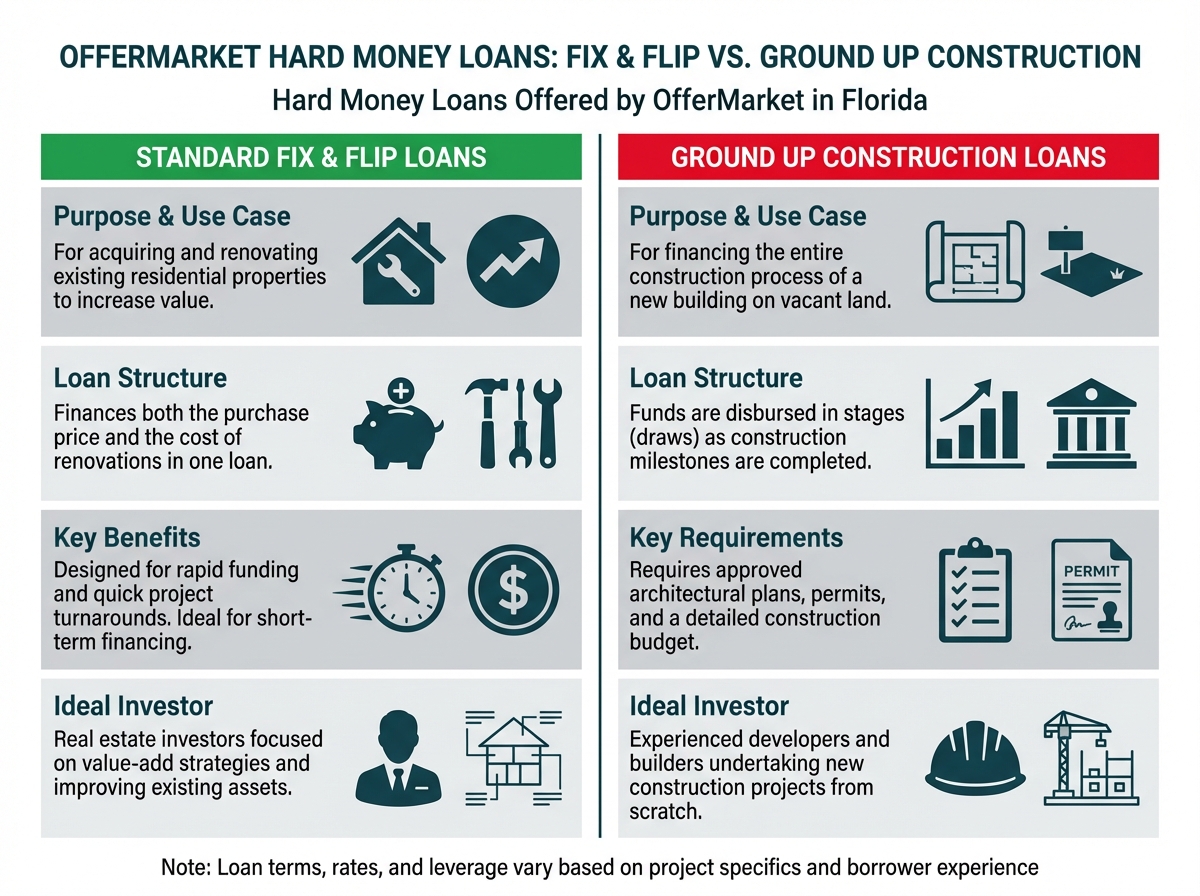
A standalone builder's risk policy is at its best on a new house. Insure the finished value, bind it before the first delivery, check floodplain elevation rules and the local code, and carry general liability with completed operations coverage if the house will be sold. Estimate financing with the construction loan calculator and our ground-up construction loan page.

BRRRR in West Virginia
Use the rehab to set up the rental: a sound roof, updated plumbing and a documented winter plan before you shop the landlord policy. Get the landlord, flood and mine subsidence decisions made together, then run the refinance math with the DSCR calculator and our West Virginia DSCR loan page.

The Rental Exit: A Cheaper West Virginia Landlord Policy
Fix the water risks first. Updated plumbing, insulated supply lines, a working sump where needed and good drainage cut the freeze and water claims that drive landlord losses.
Keep the mine subsidence coverage. Confirm the endorsement carries over to the landlord policy on any property over mined ground.
Document everything. Keep permits where they apply, the contractor's license number, invoices and photos of the finished work.
Bind before the tenant moves in. Occupancy can end builder's risk, so put landlord insurance in place first. Our DWG-3 policy guide explains how landlord property coverage works.
Terms You Will See on a West Virginia Quote

Completed value. The rebuild cost of the finished house, excluding land, and the starting point for your limit.
Mine subsidence endorsement. State-backed coverage for damage caused by the collapse of underground coal mines, up to $200,000.
Mine subsidence waiver. A form that removes the endorsement from the policy. Outside the request-only counties, coverage stays on unless you sign it.
Earth movement exclusion. The policy wording that excludes landslide, settling and similar ground movement.
Special flood hazard area. A FEMA-mapped high-risk flood zone where lenders require flood insurance.
Named perils and open perils. A named perils policy covers only the causes of loss it lists. An open perils policy covers everything not specifically excluded.
Soft costs. Carrying costs such as interest, taxes and fees during a covered delay, available as an endorsement.
Mortgagee clause and ISAOA/ATIMA. The mortgagee clause protects your lender's interest. ISAOA means "its successors and/or assigns," and ATIMA means "as their interests may appear."
Coinsurance. A requirement to insure a minimum share of value, often 80%. Insure for less, and each claim payment is reduced in proportion.
Vacancy permit. An endorsement that keeps full coverage in force while the house sits empty.
Builder's Risk Insurance Guidelines
Below are common builder's risk insurance guidelines for fix and flip loans (otherwise known as hard money loans). These coverage limits are generally considered best practice from a risk management perspective.
Property Coverage
| Mandatory | Yes |
| AM Best Rating | A- VIII or greater |
| Term | 1 Year |
| Limits | Replacement Cost (appraisal or estimator), or Loan Amount. If loan is less than Replacement Cost, use an Agreed Value Policy or zero coinsurance |
| Deductible | $5,000 |
| Accepted Policy Types | Dwelling Fire (Special Form), or Commercial Property (Basic or Special Form) |
| Cancellation | 30-day notice |
| Exclusions | No windstorm, hail or named storm exclusion |
| Lender's Designation | Mortgagee |
General Liability Coverage
| Mandatory | Yes |
| AM Best Rating | A- VIII or greater |
| Term | 1 Year |
| Limits | $1,000,000 per occurrence / $2,000,000 aggregate |
| Deductible | $1,000 |
| Coverage Details | Occurrence basis for losses (not claims-made) |
| Cancellation | 30-day notice |
| Lender's Designation | Additional Insured |
Flood Insurance
If the property is in a FEMA special flood hazard area, your lender may require flood insurance.
| Mandatory | If in a flood zone (Flood Zone Determination required) |
| Term | 1 Year |
| Limits | The greater of $250,000 or the loan balance |
| Cancellation | 30-day notice |
| Lender's Designation | Mortgagee |
Additional Details
| Mortgagee Clause | OfferMarket Capital LLC ISAOA/ATIMA627 S Hanover StBaltimore, MD 21230 |
| Condos | - Blanket policy may be used if it allows the individual Unit to be included in coverage.- Homeowner association maintains an "all risk" coverage for common areas, fixtures, personal property, equipment at 100% of their insurable value on a replacement cost basis. |
| PUDs | - Project's blanket policy may be used if it allows the individual Unit to be included in coverage.- Homeowner association maintains an "all risk" coverage for common areas, fixtures, personal property, equipment at 100% of their insurable value on a replacement cost basis. |
| Instructions | - Use ACORD form to ensure compliance- Send insurance certificates, invoices or paid receipts, no later than 24 hours before closing.- Send final policy documents, no later than 60 days after closing.- Borrower must notify carrier if property becomes vacant or unoccupied and obtain a vacancy permit for the entire period of vacancy. |
The OfferMarket Builder's Risk Recipe
Our insurance team uses this seven-step method to structure renovation coverage for 1 to 4 unit West Virginia investors.

- Run the address first. Check the flood zone and flood history on the state flood tool, and find out whether the property sits over mined ground.
- Name the project for what it is. Cosmetic rehab, structural remodel, long-vacant as-is purchase or new build, along with any work already done, how long the house has been empty, any tenants and the expected finish date.
- Set the limit on rebuild cost. Include contractor overhead and profit and any code or floodplain work, and exclude land.
- Decide flood and mine subsidence together. Bind flood at closing where needed, keep or request the subsidence endorsement, and remember both have 30-day timing rules.
- Close the vacancy and winter gap. A vacancy permit for the full rehab period, and heat or winterization through the cold months.
- Add liability and the right contractor. General liability at lender limits, completed operations if you will sell, and a licensed contractor with a signed written contract.
- Bind early and plan the exit. Use the exact mortgagee clause, and line up the landlord policy before the tenant moves in.
West Virginia Builder's Risk Checklist
- ✅ Policy bound and proof of insurance delivered before closing
- ✅ Policy type matches the scope and occupancy
- ✅ You are the named insured, with the lender as mortgagee
- ✅ Flood zone and history checked; flood policy bound at closing if needed
- ✅ Mine subsidence endorsement kept, or requested in a request-only county
- ✅ Slope, retaining walls and drainage reviewed before purchase
- ✅ Limit set on rebuild cost, land excluded
- ✅ Existing house insured, not only the renovation
- ✅ Vacancy permit for the full rehab period, plus a winter heat or drain plan
- ✅ Local building code and permit process confirmed
- ✅ Ordinance or law at 25% where the code is enforced
- ✅ General liability at lender limits, with completed operations if you will sell
- ✅ Contractor licensed for the work, with a signed written contract on jobs of $10,000 or more
- ✅ Surplus lines tax and carrier rating reviewed
- ✅ Mortgagee clause exact; named insured matches title
- ✅ Landlord policy lined up for the exit
How OfferMarket Insurance Works in West Virginia
OfferMarket Insurance LLC is a licensed insurance agency (NPN 20545557) built for 1 to 4 unit residential real estate investors, and it is licensed in West Virginia (license number 3004495223). We quote, bind and service coverage, so you work with the people who place and stand behind your policy rather than a lead form that hands you off. View our license list at offermarket.us/licenses.
You submit your property once, and our team quality-checks each quote against your request and your lender's guidelines before you bind: the policy type, the limit, the settlement basis, the mine subsidence and flood decisions, vacancy and freeze terms, ordinance or law, liability and the mortgagee clause. We coordinate the quotes, the certificates for closing and your lender, and when the property is ready to rent, we help you move to landlord insurance without a gap.
⚡ Start my instant West Virginia quote
Frequently Asked Questions
Is Builder's Risk Insurance Required in West Virginia?
Not by state law on a private residential project. Lenders require property coverage before funding a rehab or construction loan, and many construction contracts require builder's risk, so nearly every financed West Virginia project carries it.
Who Pays for Builder's Risk, the Owner or the Contractor?
Whoever the construction contract names. In practice, a West Virginia investor buys it, because the loan requires coverage in the borrower's own name with the lender listed as mortgagee.
Does Builder's Risk Cover Flood in West Virginia?
No. Flood, including flash flooding, requires a separate NFIP or private flood policy. Lenders require it in FEMA special flood hazard areas, and buying it at loan closing avoids the usual 30-day NFIP wait.
What Is Mine Subsidence Insurance in West Virginia?
It is state-backed coverage for damage caused by the collapse of underground coal mines, required on West Virginia property policies unless waived, with limits up to $200,000 and a deductible of $250 to $500. In 15 counties, including Berkeley, Cabell and Wood, it is provided only on request.
Does Builder's Risk Cover Landslides?
No. Landslides, settling and other earth movement are excluded. Mine subsidence is the one type of ground movement with its own state coverage.
Do Contractors Need a License in West Virginia?
Yes, for residential work costing $5,000 or more and commercial work costing $25,000 or more. Work of $10,000 or more also requires a signed written contract describing the work and its cost.
How Much Does Builder's Risk Cost in West Virginia?
It depends on the completed value of the structure, the location, the fire protection class, the scope of work and whether the carrier is admitted or surplus lines. Flood and mine subsidence are priced separately. The only reliable number is a quote on your property, which OfferMarket can provide.
Is OfferMarket Licensed in West Virginia?
Yes. OfferMarket Insurance LLC (NPN 20545557) is licensed in West Virginia (license number 3004495223) and in a number of other states, and it quotes, binds and services coverage. See the full list on our licenses page.
Protect and Grow Your Portfolio With OfferMarket
Builder's risk insurance protects the most exposed months of any deal, and in West Virginia it has to work alongside flood insurance, the state's mine subsidence program and a licensing law with real teeth. The investors who do well here check the creek, the hillside and the mine map before they make an offer, then build the coverage around what they find.
OfferMarket's insurance platform works for a first flip in Parkersburg and for a pipeline of rehabs across the Kanawha Valley. We check the coverage, the endorsements and the lender requirements so that you can focus on the project.
Protect your capital. Protect your reputation. Protect your future in West Virginia real estate.
OfferMarket serves West Virginia investors at every stage, from a first rehab in Beckley to BRRRR rentals in Morgantown and new construction in the Eastern Panhandle.
☂️ Investor Insurance rate shopping platform specialized in fix and flip, builder's risk and landlord insurance that meets fix and flip and DSCR loan guidelines. 🏚️ Off Market Properties marketplace featuring hundreds of exclusive and off market deals posted by wholesalers, tired landlords and distressed sellers. 💰 Private Lending featuring instant quotes and a simple, low cost, transparent borrowing experience for DSCR loans, Fix and Flip loans and Low Balance DSCR loans. 💡 Insights regularly published to provide you with a knowledge advantage.


OfferMarket Loans
Check your rate
60 seconds · no credit pull