*Quote takes 1 minute, no credit pull
Insurance*1 quote from 40+ carriers
Listings*New listings daily
Off Market Properties Gold Coast
Last updated: February 11, 2025
Off-Market Properties Gold Coast: A Comprehensive Guide for Investors
Off-market properties on the Gold Coast are gaining traction among savvy investors looking to capitalize on this flourishing real estate market. Unlike publicly listed properties, off-market properties are not widely advertised, giving buyers the opportunity to secure unique deals. If you’re considering investing in off-market properties on the Gold Coast, this guide will provide insights into the process, highlight common pitfalls, and explore financial and insurance considerations.
Guide on Investment Properties in Gold Coast
Why Invest on the Gold Coast?
The Gold Coast is one of California's most desirable real estate markets, thanks to its stunning beaches, robust tourism sector, and growing population. Key factors that make the Gold Coast an ideal investment destination include:
- High Rental Demand:
- With a booming tourism industry and a growing population, rental demand on the Gold Coast remains consistently high. Tourists, professionals, and students provide a diverse pool of tenants.
- Property Value Growth:
- The Gold Coast has seen steady appreciation in property values over the past decade, driven by infrastructural developments and increasing desirability.
- Diverse Investment Opportunities:
- Investors can choose from beachfront apartments, suburban homes, or commercial properties.
Investment Strategies for Off-Market Properties
- Long-Term Rentals:
- Secure stable tenants and generate consistent passive income.
- Short-Term Vacation Rentals:
- Leverage the tourism industry and maximize returns through platforms like Airbnb.
- Fix-and-Flip Strategy:
- Buy undervalued off-market properties, renovate them, and sell for a profit.
- Commercial Property Investment:
- Invest in commercial spaces like office buildings, shops, and warehouses.
- Development Potential:
- Purchase underdeveloped properties in high-growth areas and increase their value through rezoning or renovations.
- Multi-Family Investments:
- Invest in duplexes, triplexes, or apartment buildings to maximize rental income.
What Are Off-Market Properties?
Off-market properties are properties sold without public advertising. They are often marketed through private networks of agents, brokers, or personal connections. These properties offer unique opportunities such as:
- Reduced Competition:
- Fewer buyers mean less bidding wars and potentially better deals.
- Exclusive Deals:
- Sellers may prioritize serious buyers in off-market transactions.
- Privacy for Sellers:
- Sellers may prefer discretion due to personal or financial reasons.
How to Find Off-Market Properties in Gold Coast
- Networking with Real Estate Agents and Brokers
- Establish strong relationships with real estate professionals who have access to exclusive listings.
- Join Property Investment Groups
- Become a member of local investor networks where off-market deals are frequently shared.
- Direct Mail Campaigns
- Contact property owners directly through personalized letters or emails expressing interest in their properties.
- Cold Calling and Door Knocking
- Approach property owners and discuss potential sales.
- Social Media and Online Platforms
- Follow industry groups, forums, and real estate marketplaces for private deals.
- Auction Houses and Property Events
- Attend real estate auctions and networking events to connect with industry experts and sellers.
- Engaging Property Wholesalers
- Work with real estate wholesalers who specialize in sourcing and selling off-market properties at a discount.
Negotiation Strategies for Off-Market Properties
- Understand the Seller’s Motivation:
- Some sellers may prioritize a quick sale over the highest price, allowing room for negotiation.
- Offer Flexible Terms:
- Offering faster settlements or seller financing can make your offer more appealing.
- Conduct an Off-Market Property Appraisal:
- Evaluate the property’s market value and ensure you’re not overpaying.
- Leverage Market Conditions:
- Highlight economic trends that might make selling off-market more beneficial for the owner.
| Strategy | Description | Benefits |
|---|---|---|
| Understand the Seller’s Motivation | Identify why the seller is selling (e.g., financial distress, relocating, or offloading assets). | Allows you to tailor your offer to meet the seller's needs, increasing chances of acceptance. |
| Offer Flexible Terms | Propose creative financing solutions such as seller financing, delayed settlements, or lease options. | Makes your offer more attractive compared to buyers who only focus on price. |
| Conduct an Off-Market Property Appraisal | Perform an in-depth market analysis to determine the property’s actual value before making an offer. | Ensures you don’t overpay and strengthens your negotiation position with data-driven insights. |
| Leverage Market Conditions | Use current economic trends, interest rate fluctuations, or demand-supply imbalances to your advantage. | Helps you negotiate a better deal by showcasing how external factors impact the seller. |
| Build Rapport with the Seller | Establish trust and a good relationship with the seller through personal connections and direct communication. | Increases the likelihood of closing the deal smoothly, especially in a non-competitive, off-market setting. |
| Use a Buyer’s Agent | Engage a professional who specializes in off-market deals to negotiate on your behalf. | Ensures you get expert guidance and better terms without emotional attachment to the deal. |
| Highlight Certainty and Speed | Show the seller that you are financially prepared and can close quickly without unnecessary delays. | Gives you a competitive edge over other potential buyers who may have financing or approval contingencies. |
| Offer a Non-Refundable Deposit | Demonstrate commitment by offering a small but non-refundable deposit upon agreement. | Encourages the seller to move forward with you and reduces the chance of them backing out. |
Legal Considerations When Buying Off-Market Properties
- Conduct a Title Search:
- Ensure there are no liens or encumbrances on the property.
- Review Zoning and Land Use Regulations:
- Understand what type of developments are permitted.
- Draft a Strong Purchase Agreement:
- Clearly define terms, contingencies, and closing conditions.
- Hire a Real Estate Lawyer:
- A professional can help review contracts and mitigate legal risks.

Getting a DSCR Loan to Purchase Off-Market Properties
Debt Service Coverage Ratio (DSCR) loans are tailored for property investors and can be an excellent option for purchasing off-market properties. Here’s a breakdown:
What Is a DSCR Loan?
A DSCR loan evaluates your ability to repay based on the property’s income potential rather than your personal income. It’s particularly useful for investors who want to:
- Purchase multiple properties.
- Avoid personal income verification hurdles.
- Leverage rental income to qualify for financing.
Key Features of DSCR Loans
- Income-Based Approval:
- Approval is based on the property’s rental income covering loan payments.
- Simplified Documentation:
- Minimal paperwork compared to traditional loans.
- Flexible Terms:
- Competitive interest rates and customizable repayment terms.
Steps to Secure a DSCR Loan
- Calculate DSCR:
- Formula: DSCR = Net Operating Income / Debt Obligations.
- A ratio of 1 or higher is preferred.
- Prepare Necessary Documents:
- Property income statements, lease agreements, and market rental projections.
- Work with DSCR Specialists:
- Approach lenders or brokers experienced in DSCR loans.
- Close the Deal:
- Once approved, complete the purchase process.
| Feature | Description |
|---|---|
| Income-Based Approval | Approval is based on the property's rental income covering loan payments rather than personal income. |
| Simplified Documentation | Minimal paperwork is required compared to traditional mortgage loans, making the process faster. |
| Flexible Terms | Competitive interest rates with customizable repayment terms, allowing investors to align financing with their strategy. |
| Multiple Property Investment | Allows investors to secure financing for multiple properties without strict income verification. |
| Rental Income Utilization | Enables investors to leverage rental income to qualify for financing rather than using personal financial history. |
Insurance for Off-Market Properties in Gold Coast
Insuring your off-market property is critical to protect your investment from unforeseen risks. Here’s what you need to know:
1. Types of Insurance for Investment Properties
- Building Insurance
- Landlord Insurance
- Contents Insurance
- Public Liability Insurance
2. Insurance Tips for Gold Coast Investors
- Understand Local Risks
- Compare Policies
- Bundle Policies
3. Working with Insurance Professionals
Engage insurance brokers who specialize in investment properties to ensure you have tailored coverage that meets your needs.

Conclusion: Key Takeaways on Off-Market Properties Gold Coast
Investing in off-market properties on the Gold Coast offers unique advantages. By understanding the local market, avoiding common pitfalls, leveraging financing options like DSCR loans, and securing appropriate insurance, investors can maximize returns. With strategic planning and professional support, off-market properties can become a cornerstone of a successful property investment portfolio.
Grow and optimize your rental property portfolio with OfferMarket
OfferMarket is a rental property investing platform. Membership is entirely free and includes access to the following:
🏠 Off market properties 💰 Private lending ☂️ Landlord insurance rate shopping 💡 Community & insights
Our mission is to help you build wealth through real estate. If you are not already a member, we hope you will accept our invitation to join us!


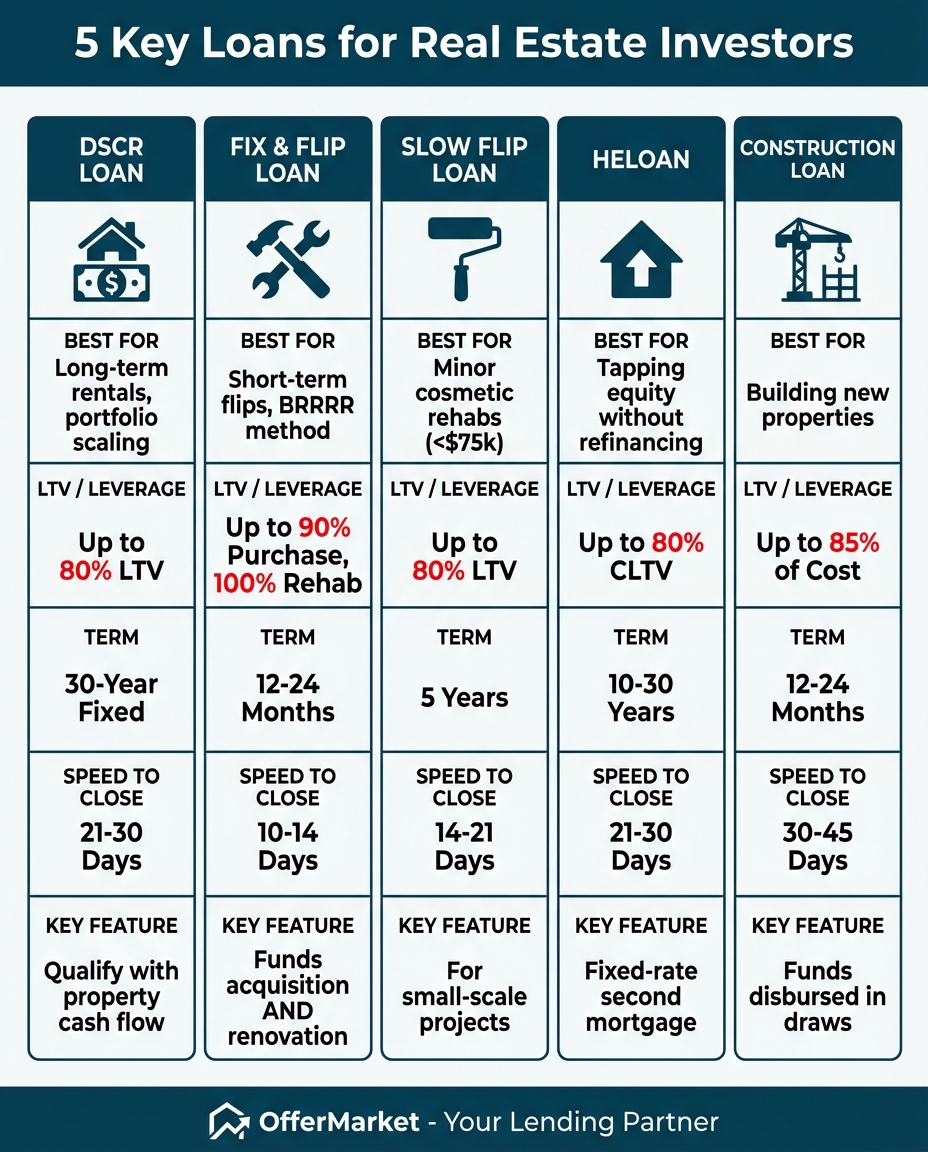
OfferMarket Loans
Check your rate
60 seconds · no credit pull