DSCR Loan No Appraisal
Last updated: June 12, 2026
The appraisal is one of the most reliable sources of friction in any DSCR loan. For real estate investors who already understand their properties intimately, the standard appraisal requirement can feel like an expensive, time-consuming formality standing between them and their capital. A growing number of lenders are rethinking that requirement, and a new no-appraisal DSCR option has emerged that meaningfully cuts the cost and delay for the right transactions. Here is how the standard process works, what is changing, and where the new program fits.
| Criteria: No Appraisal | Guidelines |
|---|---|
| Minimum loan amount | $25,000 |
| Maximum loan amount | $75,000 |
| Minimum property value | $25,000 |
| Maximum LTV | 100% |
| Rural | Allowed |
| Maximum lot size | less than 10 acres |
| Ineligible states | AK, AZ, CA, HI, MN, ND, NV, OR, SD, VT |
| Credit Pull | Soft |
| Minimum credit score | 720 |
| Minimum liquidity reserve | 6 months |
| Minimum DSCR | 1.0 |
| Experience | 0+ |
A Quick Refresher on DSCR Loans
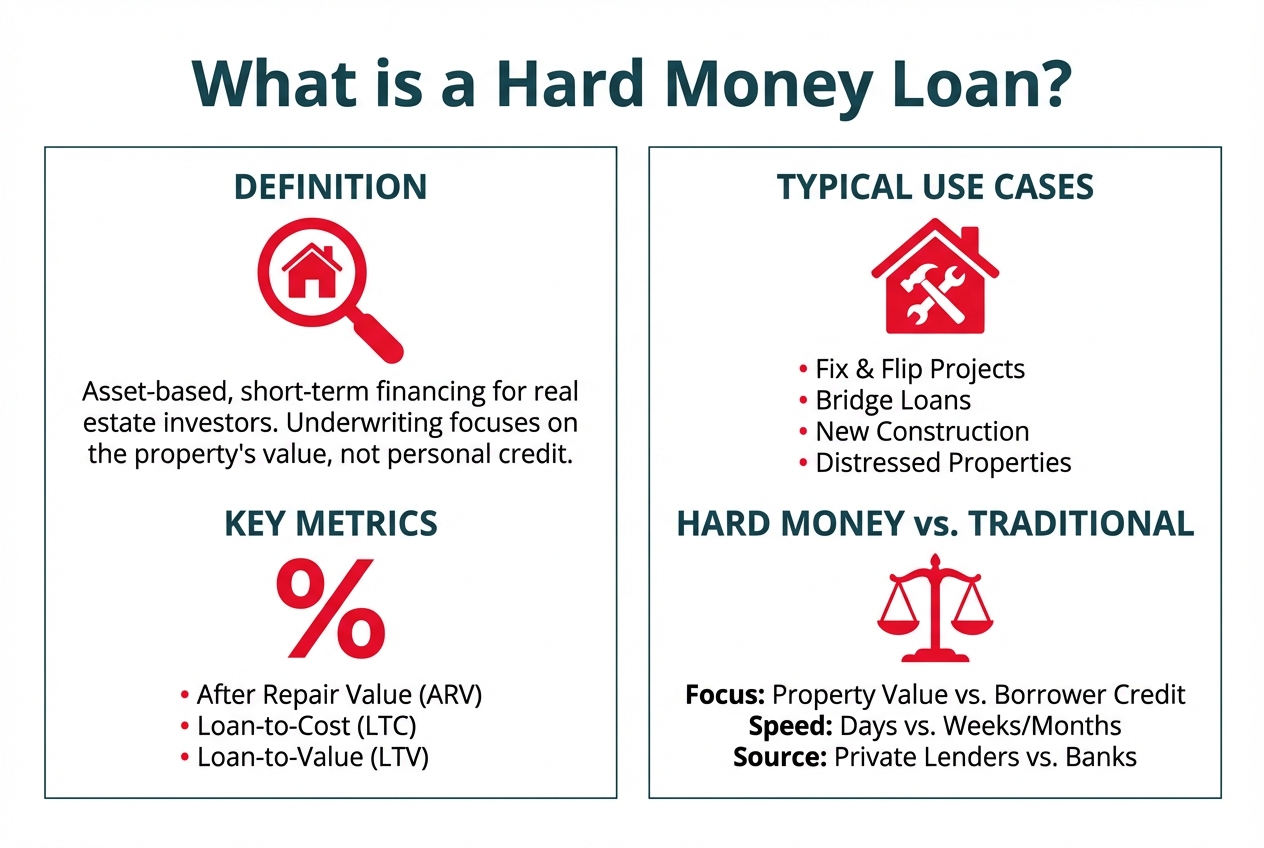
A DSCR loan, short for Debt Service Coverage Ratio loan, is a financing product built specifically for real estate investors. Rather than qualifying the borrower based on personal income, tax returns, and employment, a DSCR loan qualifies the deal based on the property's ability to cover its own debt. The debt service coverage ratio compares the property's rental income to its debt obligations. When the income sufficiently covers the payment, the deal qualifies.
This focus on the property rather than the borrower is what makes DSCR loans so popular for one to four unit residential rental properties. Investors can scale a portfolio without their personal income becoming the bottleneck, and self-employed investors avoid the documentation headaches of conventional lending. But because the loan rests so heavily on the property and its income, the valuation and rent estimate carry real weight, which is why the appraisal requirement has traditionally been firm.
What the Standard DSCR Appraisal Looks Like
Standard DSCR loan programs generally require a 1004 appraisal paired with a 1007 rent schedule for single family property, a 1025 appraisal for 2-4 unit property, or a 1073 + 1007 rent schedule for a condominium.
Understanding what these two documents are explains both their value and their cost.
The 1004 is the full Uniform Residential Appraisal Report, the industry's standard valuation for a single family property. To complete it, the appraiser performs a full on-site inspection of the property, examining both the interior and the exterior. They walk the home, document its condition, measure it, photograph it, and then analyze comparable sales to arrive at a supported value. It is thorough, and that thoroughness is the point.
The 1007 is the Single Family Comparable Rent Schedule. Because a DSCR loan lives or dies on rental income, the lender needs an independent estimate of the market rent the property can command. The 1007 provides exactly that, and it is typically completed alongside the 1004 so the lender has both a value and a supportable rent in hand.
The catch is the cost and the logistics. These appraisals typically run from $650 to $800 or more, depending on the market and the property type, and the figure climbs for multi-unit properties and harder-to-value homes. Part of that cost comes from the requirement that the order be routed through an appraisal management company, or AMC, which acts as an independent intermediary between the lender and the appraiser. The AMC structure exists to preserve appraiser independence, but it adds a layer of cost and coordination. Add in the scheduling, the need to arrange interior access, and the turnaround time, and the appraisal becomes one of the slower and more expensive steps in closing a DSCR loan.
The New No-Appraisal DSCR Option
OfferMarket Capital LLC now offers a no-appraisal low balance DSCR loan that removes the most burdensome part of the traditional process. Under this program, no interior inspection is required. Instead of sending an appraiser into the home for a full interior and exterior review, the program relies on OfferMarket's desktop appraisal.

The difference in cost is substantial. A drive-by exterior appraisal generally costs under $300, compared to the $650 to $800+ of a full 1004 with a 1007 routed through an AMC. Beyond the direct savings, eliminating the interior inspection removes the need to coordinate access to an occupied rental, which is often the single most frustrating scheduling obstacle for investors whose properties have tenants in place.
For an investor refinancing a property they already own and know well, this is a meaningful improvement. The traditional interior inspection rarely tells the borrower anything they do not already know, yet it costs them hundreds of dollars and days of coordination. Replacing it with a drive-by exterior valuation keeps a check on the collateral while stripping out much of the cost and hassle.
Important Details and Eligibility
This is a new loan program, and availability may vary. It also comes with specific parameters that investors should understand before counting on it for a given deal. The program is currently limited to refinance transactions. It is not available for purchases, which makes sense given that the lender's comfort with a lighter valuation rests partly on the borrower's established ownership of the property. Relatedly, the property must have been owned for longer than 90 days. This seasoning requirement means the program is built for investors refinancing properties they already hold, not for those trying to close on a property they just acquired. On the ownership side, the program offers flexibility. Title can be held either in your personal name or in an LLC, which accommodates the way most serious investors structure their holdings. Many investors prefer to hold rental property in an LLC for liability and organizational reasons, and this program supports that without forcing a change in how title is held.
Standard DSCR Appraisal Versus No-Appraisal DSCR
The table below distills the key differences between the traditional appraisal requirement and the new no-appraisal option.
| Aspect | Standard DSCR Loan | No-Appraisal DSCR Loan |
|---|---|---|
| Valuation product | Full 1004 appraisal plus 1007 rent schedule | Drive-by exterior appraisal |
| Inspection | Full on-site interior and exterior | Exterior only, no interior inspection |
| Typical cost | $650 to $800+ | Generally under $300 |
| Routed through an AMC | Yes | No full appraisal to route |
| Tenant access required | Yes, for the interior inspection | No |
| Transaction types | Purchase and refinance | Refinance only |
| Ownership seasoning | Generally not required | Property owned longer than 90 days |
| Title vesting | Personal name or LLC | Personal name or LLC |
Who Benefits Most
This program is best suited to a specific kind of investor and situation. If you own a one to four unit rental property that you have held for more than 90 days, and you want to refinance it, the no-appraisal option can save you several hundred dollars and spare you the scheduling burden of an interior inspection. Investors with tenants in place, who would otherwise have to coordinate interior access around a renter's schedule, stand to gain the most convenience. And because title can sit in either a personal name or an LLC, the program fits cleanly into most investors' existing ownership structures.
It is less relevant if you are purchasing a property, or if you recently acquired a property and have not yet crossed the 90-day seasoning threshold. In those cases, the standard appraisal path still applies. As with any new program, it is worth confirming current availability and terms before building a deal around it, since availability may vary.
Closing Thoughts
Standard DSCR loans on one to four unit residential properties generally require a full appraisal complete with an on-site interior and exterior inspection, routed through an AMC at a cost of $650 to $800 or more. OfferMarket Capital LLC's new no-appraisal DSCR loan replaces that with a drive-by exterior appraisal generally costing under $300, eliminating the interior inspection entirely. The program is currently limited to refinance transactions on properties owned longer than 90 days, with title held in either a personal name or an LLC, and as a new offering its availability may vary.
For investors refinancing seasoned rentals, it is a practical way to cut cost and friction from a process that has long carried more of both than most deals required.

Join 25,000+ Real Estate Investors
Sign up for your free OfferMarket account and join 25,000+ residential real estate investors. Membership is free and includes the following benefits:
- Low cost private lending
- Off market deal flow
- Insurance rate shopping
- Weekly market insights